

Table of Contents
- Why Bold Coffee Demands Origin Diversity
- Single-Origin Coffee: The Foundation of Bold Flavor
- Coffee Flavor Profiles by Origin: A Tasting Framework
- How to Taste Specialty Coffee: A Repeatable Method
- Specialty Coffee vs Regular Coffee: What Changes in the Cup
- Comparing Bold Coffees for Diverse Origin Exploration
- Brew Methods for Bold Coffee Profiles
- Conclusion
- Frequently Asked Questions
Last Updated: October 9, 2026
Why Bold Coffee Demands Origin Diversity
Bold coffee is not a roast level. It is a flavor outcome, and origin diversity is what produces it. At EmperRoar Coffee, we have built our whole selection around one idea: the most interesting cup is the one that tastes like somewhere specific. A dark roast can flatten every origin into the same smoky profile. A single-origin coffee roasted to preserve its character can taste like citrus, stone fruit, or dark chocolate depending on where it grew.
That is why the best route to a bold and flavorful coffee experience for diverse origin exploration runs through origin, not roast. Below, we break down how to taste across origins, compare what we carry, and match each coffee to the right brew method.
Specialty Coffee Association's research on coffee flavor and origin
Single-Origin Coffee: The Foundation of Bold Flavor
Single-origin coffee is coffee sourced from one country, region, or farm rather than blended across multiple origins. That single source is what lets a roaster build a roast profile around the bean's natural strengths instead of masking them.
Blends exist to create consistency. Single-origin coffee exists to create character. When you drink a Kenya or an Ethiopia Natural side by side, you are tasting geography, altitude, variety, and processing method, not a recipe.

For anyone building a home brewing ritual, single-origin beans are the fastest way to learn what you actually like. You stop guessing and start comparing.
Coffee Flavor Profiles by Origin: A Tasting Framework
Coffee flavor profiles by origin follow broad regional patterns, but the patterns only become useful when you score them on the same criteria. Altitude, variety, and processing method shift every origin, so treat the map below as a starting point and the framework beneath it as the actual tool.
Regional starting map
- East Africa (Ethiopia, Kenya): fruit-forward and bright, often berry, citrus, and floral. High-grown washed lots lean tea-like and precise; natural-process lots lean jammy and intense.
- Central and South America (Colombia, Guatemala, Peru): balanced sweetness, moderate acidity, nutty or caramel body. Washed lots are the reference point for clean, structured cups.
- Indonesia and Southeast Asia (Sumatra, Java, Papua New Guinea): earthy, full-bodied, low acidity, sometimes herbal or cedar. Wet-hulling (giling basah) is a common reason for the heavy body and muted acidity.
- Brazil: lower acidity, heavy nut and chocolate sweetness, often the backbone of espresso blends.
A consistent tasting framework

Score every coffee on the same six axes so two bags from different continents are actually comparable:
- Aroma, dry grounds, then wet grounds after the bloom.
- Acidity, bright and lively versus soft and round. Not a quality judgment; a position on a scale.
- Body, tea-like, juicy, creamy, or syrupy. This is the axis most affected by processing and brew method.
- Sweetness, from raw sugar to cooked fruit to molasses.
- Finish, what lingers ten seconds after the sip, and for how long.
- Intensity, how much the cup demands your attention. A Kenya washed can be intense and bright; a Sumatra can be intense and earthy.
What actually moves the needle
- Processing: Natural (dry) processing dries the cherry around the seed and pushes fruit and ferment notes forward. Washed processing removes the fruit first and produces cleaner, more acidic, more origin-transparent cups. Honey and anaerobic methods sit between and can amplify sweetness or add wine-like complexity.
- Altitude: Higher-grown beans ripen slower, which commonly correlates with denser beans, higher acidity, and more layered sweetness.
- Variety: Bourbon, Typica, SL28, SL34, Gesha, and Caturra each carry recognizable tendencies. Gesha is the clearest example of variety overriding regional expectation.
Flavor-to-origin guide
- Want bright and fruity? Start with Ethiopia Natural or a washed Kenya.
- Want balanced and sweet? Start with a washed Colombia or Guatemala.
- Want heavy and earthy? Start with a Sumatra or a wet-hulled Indonesian lot.
- Want chocolate and nut? Start with Brazil or a Central American dark-leaning roast.
- Want one bag that spans regions? A multi-region blend like Kopi Safari trades single-origin transparency for range.
Specialty Coffee Association's research on coffee flavor and origin
How to Taste Specialty Coffee: A Repeatable Method
How to taste specialty coffee comes down to four steps you can repeat with any bag: smell, slurp, hold, and finish.
- Aroma: Grind a small amount and smell it dry, then again after adding hot water.
- Acidity: Take a small sip and note whether it feels bright and lively or soft and round.
- Body: Notice the weight on your tongue, from tea-like to syrupy.
- Finish: Wait ten seconds. What lingers is the finish, and it is often the clearest signal of quality.
Run the same four steps every time you open a new origin. Within a few bags you will have your own tasting notes, not ours.
Specialty Coffee vs Regular Coffee: What Changes in the Cup
Specialty coffee vs regular coffee is not a marketing split. It is a difference in how the coffee was grown, graded, and handled. Specialty coffee is graded for defects and cup quality, and it is typically traceable to a specific origin, farm, or cooperative. Regular commodity coffee is blended for price and consistency, often with no origin transparency at all.
In the cup, that shows up as clarity. Specialty coffee tends to have distinct, nameable flavors. Commodity coffee tends to taste generically roasted and bitter.
Comparing Bold Coffees for Diverse Origin Exploration
Most rankings tell you what someone else liked. A useful comparison tells you how the coffees were selected, how they were scored, and how they behave side by side. Here is the method we use, then the coffees themselves.
How these coffees were selected
Every coffee in this comparison meets four baseline criteria: it is traceable to a specific origin or defined multi-region blend, it is roasted to preserve origin character rather than flatten it, it is available in multiple grind options for different brew methods, and it is offered in a range of bag sizes so you can taste before you commit.
How they are scored
Each coffee is evaluated on the same six axes from the tasting framework above, aroma, acidity, body, sweetness, finish, and intensity, using the same brew method (a standard pour-over at a 1:16 ratio) so the comparison is apples to apples.
The comparison
| Coffee | Origin Focus | Flavor Direction | Body | Acidity | Best Brew Method | Grind Options | Price |
|---|---|---|---|---|---|---|---|
| African Espresso | African growing regions | Rich, bold, aromatic, smooth finish | Full | Moderate | Espresso | Whole Bean, Espresso, Standard, Coarse | $24.99 |
| Ethiopia Natural | Ethiopia | Vibrant, fruity, smooth finish | Medium | High | Pour-over | Whole Bean, Espresso, Standard, Coarse | $24.99 |
| Kenya | Kenya | Rich, aromatic, smooth, satisfying finish | Medium-Full | High | Pour-over or Espresso | Whole Bean, Espresso, Standard, Coarse | $24.99 |
| Kopi Safari | Multi-region exploration | Rich, aromatic, smooth | Medium-Full | Moderate | Drip or French press | Whole Bean, Espresso, Standard, Coarse | $24.99 |
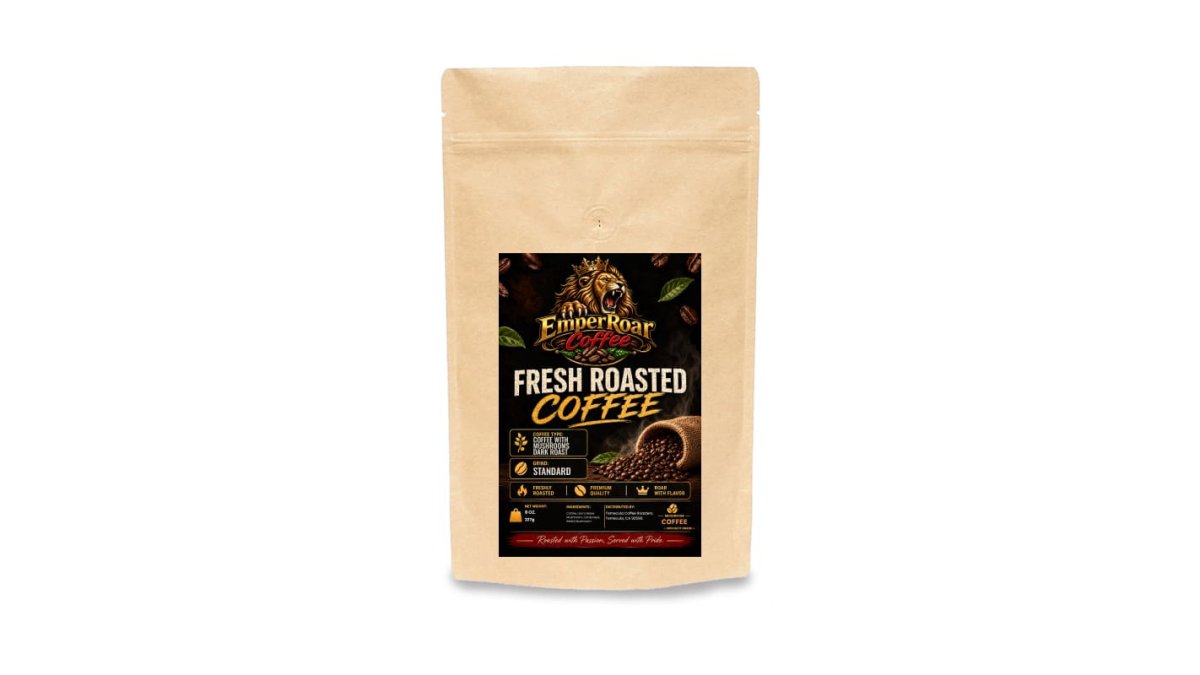
| Coffee with Mushrooms Dark Roast | Dark roast blend with Lion's Mane, Cordyceps, Reishi | Bold, strong | Full | Low | French press | Standard | $20.99 |
How to read the table

- If you want the widest flavor spread, buy Ethiopia Natural and Kenya together. Same continent, opposite ends of the fruit-and-structure spectrum, and the clearest side-by-side lesson in how processing changes a cup.
- If you want one bag that covers ground, Kopi Safari is the multi-region pick. You trade single-origin transparency for range.
- If you want espresso-first boldness, African Espresso is built for pressure and concentrates sweetness and body.
- If you want a darker, heavier cup with functional ingredients, Coffee with Mushrooms Dark Roast is the outlier in this lineup, a blend, not a single origin, and the only one offered in a single 8oz size.
Freshness and repeatability
Roast date matters more than almost any other variable in this table. A coffee two weeks off roast and the same coffee six weeks off roast will not score the same on aroma, sweetness, or finish, no matter how good the origin is. Check the roast date on the bag, store beans whole and sealed, and grind immediately before brewing. If you re-run this comparison a month later with a fresher bag, expect the fruit-forward coffees to gain the most.
Brew Methods for Bold Coffee Profiles
Brew method changes how much of a coffee's character reaches the cup. Match the method to the profile:
- Pour-over: Best for Ethiopia Natural and other fruit-forward coffees. It preserves acidity and clarity.
- Espresso: Suits African Espresso and Kenya. Pressure concentrates body and sweetness.
- French press: Good for darker, heavier profiles like Coffee with Mushrooms Dark Roast. The metal filter keeps oils in the cup.
- Standard drip: Works with any of our coffees when you order the Standard grind. Convenient, less precise.
Conclusion
The gap between a good cup and a forgettable one usually comes down to origin, freshness, and matching the bean to your brew method. EmperRoar Coffee curates whole bean and ground coffees for exactly that kind of exploration, with grind options from Whole Bean to Espresso, Standard, and Coarse, and bag sizes from 12oz up to 12lb. Our selection is built for coffee aficionados who want to taste where a coffee comes from, not just how dark it was roasted. Shop Now and find your next favorite origin.
Frequently Asked Questions
What are coffees called that highlight the distinct flavors of a specific country or region?
These are called single-origin coffees. They come from one country, region, or farm, so the cup reflects that place's soil, altitude, and processing method. For example, Ethiopia Natural offers fruity character, while Kenya brings rich, aromatic notes. Single-origin coffee lets you explore origin diversity one cup at a time.
Which coffee origins are known for bold flavors?
African origins like Ethiopia and Kenya are known for bold, fruit-forward profiles with bright acidity. Espresso blends, such as African Espresso, also deliver rich, aromatic cups with a smooth finish. For a dark, robust option, Coffee with Mushrooms Dark Roast combines bold roast character with Lion's Mane, Cordyceps, and Reishi mushrooms.
How do coffee origins affect flavor?
Origin affects flavor through altitude, soil, climate, and processing. High-altitude coffees often have brighter acidity and complex sweetness. Natural process coffees, like Ethiopia Natural, tend to be fruit-forward, while washed process coffees are cleaner and tea-like. Roast profile also matters: darker roasts bring boldness, lighter roasts preserve origin notes.
What should I look for when choosing whole-bean specialty coffee?
Look for a roast date, not just a best-by date, because freshness drives flavor. Check the origin and processing method to match your taste preference. If you brew pour-over, whole bean gives you control over grind size. EmperRoar Coffee offers whole bean and multiple grind options, so you can pick what fits your setup.
How can I compare coffees from different origins at home?
Brew each coffee the same way, using the same grind, water temperature, and ratio. Taste them side by side and note sweetness, acidity, body, and finish. This consistent framework reveals how origin changes flavor. Try Ethiopia Natural, Kenya, and African Espresso from EmperRoar Coffee to explore bold, diverse profiles.
Finding a roaster that treats origin as the point, not a label, is harder than it should be. EmperRoar Coffee selects each coffee for character and offers it in Whole Bean, Espresso, Standard, and Coarse grinds so you can brew it the way you already brew at home. Start with Ethiopia Natural for fruit, Kenya for structure, or Kopi Safari if you want to explore several origins in one bag. Get started with EmperRoar Coffee and taste the difference origin makes.