

Table of Contents
- Why Single Origin Beans Make Better Pour Over
- The Best Coffee Beans for Pour-Over: Our Top 5 Picks
- Best Beans for V60: Matching Grind and Technique
- Light Roast Coffee for Pour-Over: Why It Works
- How to Brew Single-Origin Coffee at Home
- How We Evaluated These Single Origin Beans
- Conclusion: Finding Your Perfect Pour Over Bean
- Frequently Asked Questions
Last Updated: October 14, 2026
Why Single Origin Beans Make Better Pour Over
Single origin beans come from one specific growing region, farm, or cooperative rather than a blend.
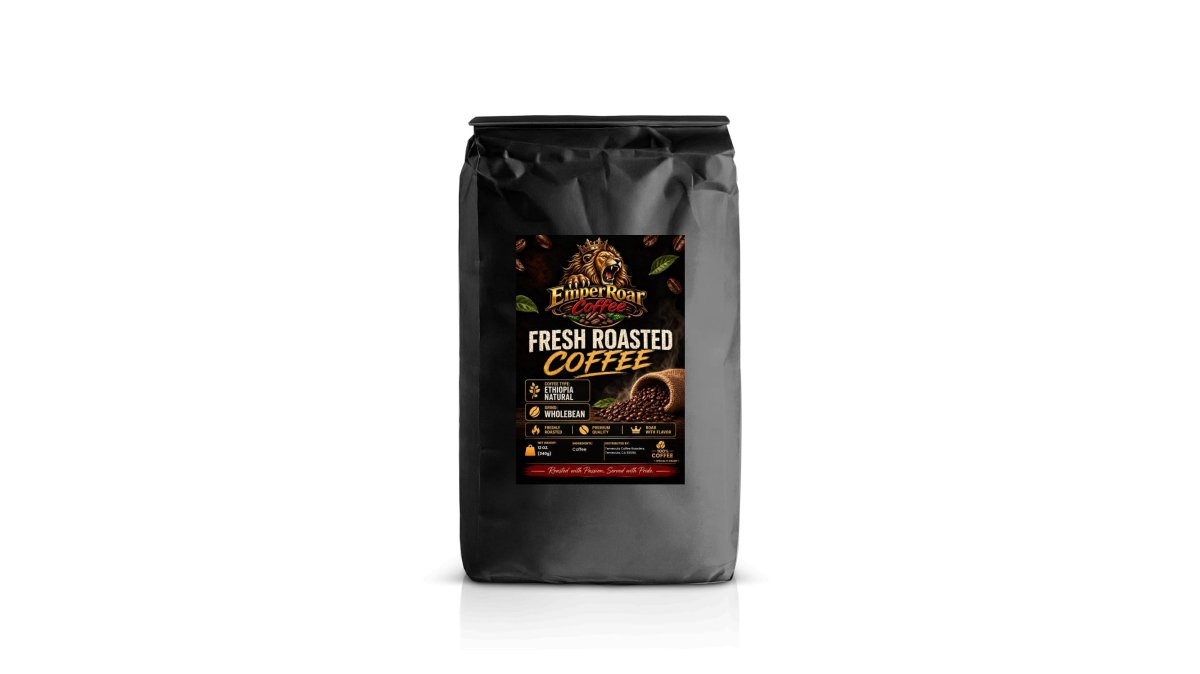
The 5 best single origin beans for pour over are the ones where origin character, roast level, and freshness line up with what a paper filter does best: clean extraction and clear flavor separation.

Quick Picks:
- Best Overall: Ethiopia Natural, floral and fruit-forward
- Best for Bright Acidity: Kenya, bold and complex
- Best Smooth Daily Cup: Tanzania, balanced and approachable
The 5 picks below are the beans we actually pour, ranked by how well they suit a paper filter.
The Best Coffee Beans for Pour-Over: Our Top 5 Picks
The best coffee beans for pour-over are light to medium roasts from single growing regions, ground medium-fine and brewed with a slow, even pour.
| Bean | Origin Character | Roast | Grind Options | Price |
|---|---|---|---|---|
| Ethiopia Natural | Fruity, floral, smooth | Light | Whole Bean, Espresso, Standard, Coarse | $24.99 |
| Kenya | Rich, aromatic, bright | Light-Medium | Whole Bean, Espresso, Standard, Coarse | $24.99 |
| Tanzania | Smooth, balanced | Medium | Whole Bean, Espresso, Standard, Coarse | $24.99 |
| Kopi Safari | Rich, aromatic | Medium | Whole Bean, Espresso, Standard, Coarse | $24.99 |
| Holiday Blend | Warm, rich, inviting | Medium | Whole Bean, Espresso, Standard, Coarse | $24.99 |
1. Ethiopia Natural: The Fruity, Floral Standout
Ethiopia is the origin that converts people into single-origin drinkers, and the natural process is why. Beans dried inside the coffee cherry soak up fruit sugars, which is where the blueberry, strawberry, and jasmine notes come from.

Our Ethiopia Natural delivers a vibrant, aromatic brew with distinctive fruity character and a smooth finish, in Whole Bean, Espresso, Standard, and Coarse grinds, 12oz to 12lb, at $24.99.
2. Kenya: Bright Acidity and Bold Complexity
Kenya is the pick for anyone who thinks coffee has gotten too soft. High-altitude Kenyan beans develop dense structure and sharp, juicy acidity, blackcurrant or grapefruit with a clean, tea-like finish.
Our Kenya offers a rich, aromatic flavor with a smooth, satisfying finish, in 12oz, 1LB, 2LB, 5LB, and 12LB sizes, with Whole Bean, Espresso, Standard, and Coarse grinds, at $24.99.
3. Tanzania: Smooth, Balanced, and Approachable
Tanzania sits in the middle of the flavor map, making it the safest daily cup: medium body, gentle sweetness, and a satisfying finish without Kenya's sharp edges or Ethiopia's fruit intensity.
Our Tanzania is smooth, balanced, and aromatic with a naturally satisfying finish, in Whole Bean, Espresso, Standard, and Coarse grinds, 12oz to 12lb, for $24.99.

Coming from a grocery-store blend? Start here to try single origin without a shock to the palate.
4. Kopi Safari: A Rich, Aromatic Adventure
Kopi Safari is our most aromatic medium roast, built for drinkers who want boldness and a little mystery: rich and aromatic, with a smooth finish that holds up well in a paper filter.
Our Kopi Safari is crafted as premium whole beans for fresh grinding at home, in 12oz, 1LB, 2LB, 5LB, and 12LB, with Whole Bean, Espresso, Standard, and Coarse grinds, at $24.99.
5. Holiday Blend: Warm and Inviting for Any Season
Holiday Blend is the comfort pick: warm, rich, and inviting with a smooth, flavorful finish that works as well in a pour-over as in a press. The name suggests December, but it drinks well year-round.
Our Holiday Blend comes in Whole Bean, Espresso, Standard, and Coarse grinds, 12oz to 12lb, at $24.99.
Best Beans for V60: Matching Grind and Technique
The best beans for a V60 are light to medium roasts with clear origin character, ground medium-fine and brewed with a controlled pour.
A light-roast natural Ethiopia and a medium-roast washed Tanzania do not want the same temperature, grind, or pour rhythm.
These recipes assume a 15g dose in a size 02 V60 with a paper filter, a gooseneck kettle, and a burr grinder.
Ethiopia Natural, protect the fruit
- Grind: medium-fine, slightly coarser than table salt
- Ratio: 1:16 (15g coffee to 240g water)
- Water temp: 93C
Natural-process Ethiopians are the most aromatic coffees here and the easiest to muddy. A slightly coarser grind and a gentle, steady pour keep the blueberry and jasmine notes separated instead of collapsing into a heavy, fermented cup. If the finish turns syrupy or flat, coarsen by one click before touching the temperature.
Kenya, feed the acidity
- Grind: medium-fine, on the finer side of the range
- Ratio: 1:15 (15g coffee to 225g water)
- Water temp: 95-96C
Kenya's blackcurrant and grapefruit acidity needs heat and agitation to extract fully, so we push water temperature to the top of the range and use more, smaller pours. If the cup tastes sharp and hollow rather than juicy, the fix is usually a finer grind, not a cooler brew.
Tanzania, the forgiving daily driver
- Grind: medium
- Ratio: 1:16 (15g coffee to 240g water)
- Water temp: 92-93C
Tanzania's balanced profile tolerates a wider margin than the Ethiopia or Kenya. A medium grind and a slower, simpler pour produce a smooth, sweet cup with medium body. If you are new to the V60, start here, it is the pick least likely to punish an uneven pour.
Kopi Safari, tame the aromatics
- Grind: medium-coarse, one notch coarser than the Tanzania
- Ratio: 1:15 (15g coffee to 225g water)
- Water temp: 92C
Medium roasts release their aromatics fast, and a paper filter can strip the body that balances them. Grinding coarser and keeping the water just below boiling preserves the rich, aromatic character without tipping into bitterness. If the cup tastes thin, tighten the grind; if dry or ashy, cool the water by a degree or two.
Holiday Blend, warmth over clarity
- Grind: medium
- Ratio: 1:16 (15g coffee to 240g water)
- Water temp: 92C
Holiday Blend is built for comfort, not for tracing a farm. A medium grind and a simple two-pour schedule give you the warm, rich cup the roast is designed for. Purists will notice the origin character is muted compared with the Ethiopia or Kenya, that is the point of this pick.
The adjustment loop
Once you have brewed a bean once, use taste as your compass:
- Sour or thin: grind finer, or raise water temperature by 1C
- Bitter or dry: grind coarser, or lower water temperature by 1C
- Weak but not sour: tighten the ratio (more coffee, same water)
Change one variable per brew. Two changes at once and you will not know which one helped.
Light Roast Coffee for Pour-Over: Why It Works
Light roast coffee works best for pour-over because it preserves more of the bean's origin character, and a paper filter's clean extraction lets those delicate notes come through.
That does not mean light roast is always better, it means light roast is better for tasting where a coffee came from. For a bold, low-acid morning cup, a medium roast like our Tanzania or Holiday Blend serves you better.
For readers who want to go deeper on roast levels and how they affect extraction, Coffee roasting guidance from the National Coffee Association covers the basics well.
How to Brew Single-Origin Coffee at Home
Brewing single-origin coffee at home comes down to four variables: grind size, water temperature, ratio, and pour control. Get those right and you will taste what the roaster intended.
- Weigh your beans. Use 15g of coffee for every 250g of water as a starting point.
- Grind fresh. Grind right before brewing, medium-fine for pour-over.
- Heat your water. Aim for 92-96C, just off a rolling boil.
- Bloom. Pour 30-45g of water, wait 30-45 seconds, and let the coffee degas.
- Pour in stages. Add water in slow circles, keeping the bed level.
- Finish and taste. Total brew time should land around 2:30 to 3:30.
If the cup tastes sour or thin, grind finer. If it tastes bitter or dry, grind coarser. Adjust one variable at a time.
How We Evaluated These Single Origin Beans
We evaluated these beans on four criteria: origin character, roast level, grind flexibility, and value. Every pick is a whole-bean or ground option, priced at $24.99, in sizes from 12oz up to 12lb.
Here is the actual method we used, the same method you can run at home to compare any two bags side by side.
The tasting setup
Every bean was brewed as a 15g dose in a size 02 V60 with a paper filter, using a burr grinder and filtered water. We used the origin-specific recipes above, then re-brewed each bean at least twice to confirm the cup was repeatable. Beans were rested according to roast level and ground immediately before brewing.
The four criteria, defined
- Origin character: Does the cup taste like the place it came from? A high score means the region and process notes come through clearly rather than being buried under roast or generic sweetness.
- Roast level: Is the roast appropriate for pour-over? Light and light-medium roasts preserve origin character; medium roasts trade clarity for body and warmth. We score each bean against what its roast is trying to do, not a single ideal.
- Grind flexibility: How forgiving is the bean across grind settings and brew methods? A bean that tastes good from medium-fine through medium-coarse is easier to live with than one that only shines in a narrow window.
How we scored
Each bean was rated on the four criteria above and ranked by how well it suited a paper filter specifically. A bean could score well on value and still rank lower if its roast muted the origin character a pour-over should reveal. The ranking reflects pour-over suitability, not overall quality, several would rank differently in a French press or espresso comparison.
Freshness: the variable that decides everything
Coffee tastes best within a few weeks of roast. A few rules:
- Check the roast date, not the best-by date. A best-by date tells you when the bag is unsellable, not when the coffee is at its peak.
- Rest before you judge. Most light roasts benefit from a few days of rest after roasting; medium roasts are often ready sooner. If a fresh bag tastes flat or gassy, give it a few more days.
- Buy the size you will finish. A 12oz bag you drink within three weeks beats a 5lb bag that sits in the cupboard for three months.
What we did not do
This is a single-team, repeatable home-brewing evaluation, not a laboratory study. We are telling you the method so you can weigh the results accordingly, and run the same comparison yourself with two bags and a scale.
For a broader look at what separates specialty-grade coffee from commodity beans, Coffee quality standards from the Specialty Coffee Association is worth a read.
Conclusion: Finding Your Perfect Pour Over Bean
The hardest part of brewing single origin at home is not technique, it is choosing, because every origin promises something different.
Our premium collection of whole bean and ground coffee is curated for drinkers who care about freshness and flavor, with grind options to match your setup and sizes from 12oz to 12lb so you can buy exactly what you will use.
Get started with EmperRoar Coffee and taste the difference a fresh, well-chosen single origin makes in your pour-over.
Frequently Asked Questions
Which coffee beans are best for pour over?
The best single origin beans for pour over are light to medium roasts with distinct origin character. Ethiopia Natural offers fruity and floral notes, Kenya brings bright acidity and complexity, and Tanzania provides a smooth, balanced cup. Look for beans with a recent roast date and whole bean options so you can grind fresh for each brew. EmperRoar Coffee offers all three at $24.99 per bag.
Is single-origin coffee good for pour-over?
Yes. Single-origin coffee is ideal for pour over because the brewing method highlights subtle flavor notes that blends often mask. A washed Ethiopian or Kenyan bean will show clear citrus or floral tones, while a natural process bean like Ethiopia Natural delivers juicy red fruit. The pour over method gives you control over extraction, so you can adjust to bring out the best in each origin.
What roast level is best for pour-over coffee?
Light roast coffee for pour-over is generally preferred because it preserves the bean's natural acidity, sweetness, and origin character. Medium roasts also work well and offer a bit more body. Dark roasts can taste bitter in a pour over because the brewing method extracts more of the roast flavor. For V60, start with a light or medium roast and adjust your grind size to fine-tune the taste.
How fresh should coffee beans be for pour-over?
For the best flavor, use beans within 2 to 4 weeks of the roast date. Freshly roasted beans still release carbon dioxide, which can affect extraction, so let them rest 3 to 7 days after roasting before brewing. Store whole beans in an airtight container away from light and heat. EmperRoar Coffee ships whole bean options so you can grind right before brewing for maximum freshness.
How do I choose single-origin coffee beans for my taste?
Start with the flavor profile you enjoy. If you like bright, citrusy cups, try Kenya or Ethiopia. For a smoother, balanced cup, Tanzania is a good choice. If you prefer rich, aromatic coffee, Kopi Safari or Holiday Blend fits. All EmperRoar single origin beans are $24.99 and available in whole bean or ground, so you can explore without committing to a large bag.